
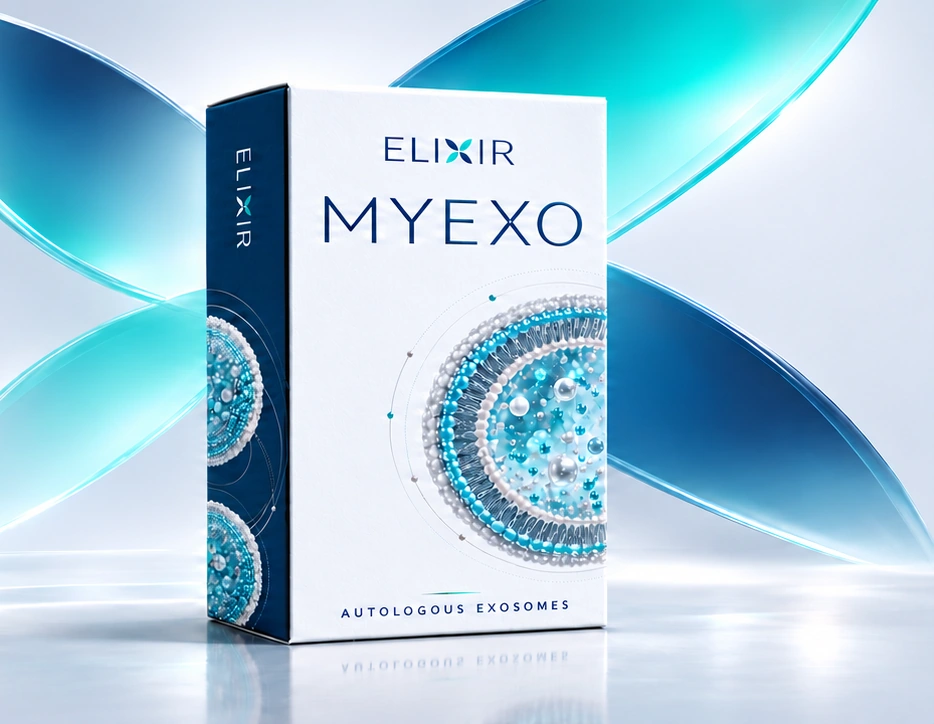

MYEXO
AUTOLOGOUS EXOSOMES
Autologous exosomes for dermatology & hair — skin quality, scars, inflammatory skin conditions and hair restoration.
Autologous exosomes for dermatology & hair — skin quality, scars, inflammatory skin conditions and hair restoration.
Physician controlledExosome-rich plasmaPatient-derived & safeClosed systemCE certified · ISO 13485:2016
12TExosomes in 10 mL
30 minClosed-system preparation
≥89%Recovery
120 nmAverage exosome size (±15)
MyExo for dermatology
Autologous exosomes for skin quality, scars & inflammation
Dermatology and aesthetic medicine are among the main clinical fields for autologous exosome-rich plasma. MyExo is prepared from the patient's own blood at the point of care and is used for facial rejuvenation, scar remodelling and inflammatory skin conditions.

Rejuvenation
Facial Rejuvenation
Supports collagen and elastin synthesis for better tone, texture and elasticity.
Scars
Scar Remodelling
Promotes more organised collagen synthesis and balanced matrix remodelling.
Inflammation
Inflammatory Skin Conditions
Helps reduce excessive pro-inflammatory activity and promote the resolution phase of healing.
Mechanism
How exosomes act on the skin
Once administered, exosomes bind to or fuse with recipient cells and deliver regulatory RNAs and proteins that support cell survival, proliferation and differentiation.
01
Fibroblast Reactivation
Reactivates dermal fibroblasts, restoring collagen and elastin synthesis, including increased collagen I and III production.
02
Matrix Remodelling
Stimulates fibroblasts and mesenchymal stromal/progenitor cells while supporting balanced extracellular-matrix turnover.
03
Immune Modulation
Influences macrophage polarisation and cytokine signalling, helping calm excessive inflammation.
What the research says
Clinical data on autologous blood-derived vesicles
A 2026 clinical study in the Journal of Cosmetic Dermatology evaluated a single intradermal facial injection of autologous blood-derived extracellular vesicles in 25 adults aged 40–59, measured with objective instruments. Results at 3 weeks:
−19%periorbital wrinkle depth
+34.5%skin hydration
+29.8%skin elasticity
−46.8%pore area
No adverse reactions were reported. The vesicles in this study were isolated with a laboratory column, not with the MyExo kit, so these are not MyExo results; they support the principle behind MyExo. The authors call for larger controlled studies with longer follow-up.
Kang H, et al. Effects of Autologous Blood-Derived Extracellular Vesicles on Skin Regeneration and Anti-Aging: A Clinical Study. J Cosmet Dermatol. 2026;25:e70574. doi:10.1111/jocd.70574
Trichology
Exosomes for hair restoration
Hair restoration is one of the key fields of application for autologous exosome-rich plasma. In androgenetic alopecia, exosomes enhance dermal papilla cell activity, extend the anagen phase and improve scalp vascularity. Repeated sessions support visible improvements in hair density and thickness.
01
Cellular Communication
Exosomes deliver regulatory RNAs and proteins that activate PI3K/AKT, ERK/MAPK and STAT3 pathways, supporting cell survival, proliferation and differentiation.
02
Angiogenesis
Signals that promote neovascularisation in endothelial cells support scalp vascularity.
03
Growth-Factor Cooperation
Platelet-derived PDGF, VEGF, TGF-β and IGF-1 act synergistically with exosomes, attracting cells and improving vascular supply.
MyExo at a glance
Why autologous matters in aesthetics
12 trillionexosomes in 10 mL of final product
30 minfrom blood draw to exosome-rich plasma
Donor-free
From the Patient's Own Blood
Donor-free, with no additives.
Fresh
Prepared at the Point of Care
Physician-prepared, fresh, in the clinic.
Human EVs
Not a Cosmetic "Exosome"
Unlike cosmetic or plant-derived "exosome" products, which are typically topical and not interchangeable with human extracellular vesicles.
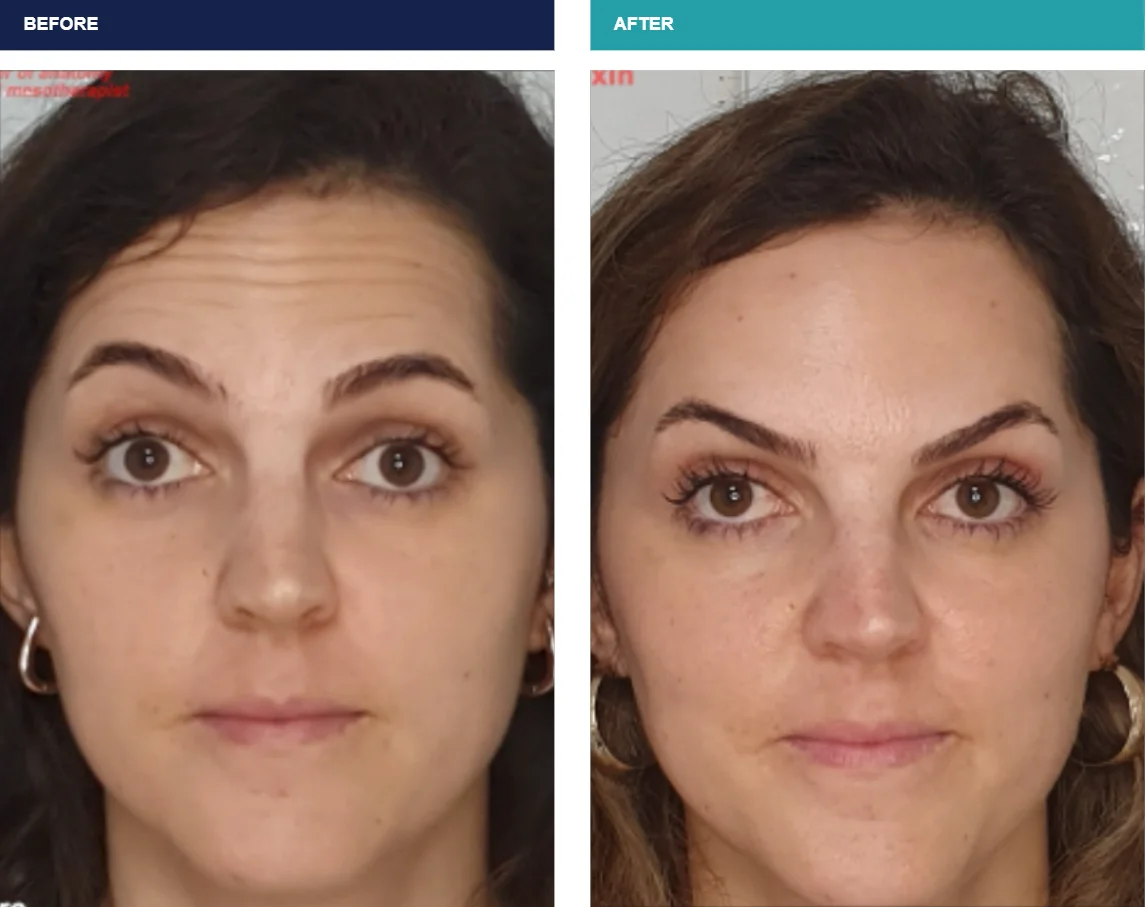
Clinical results
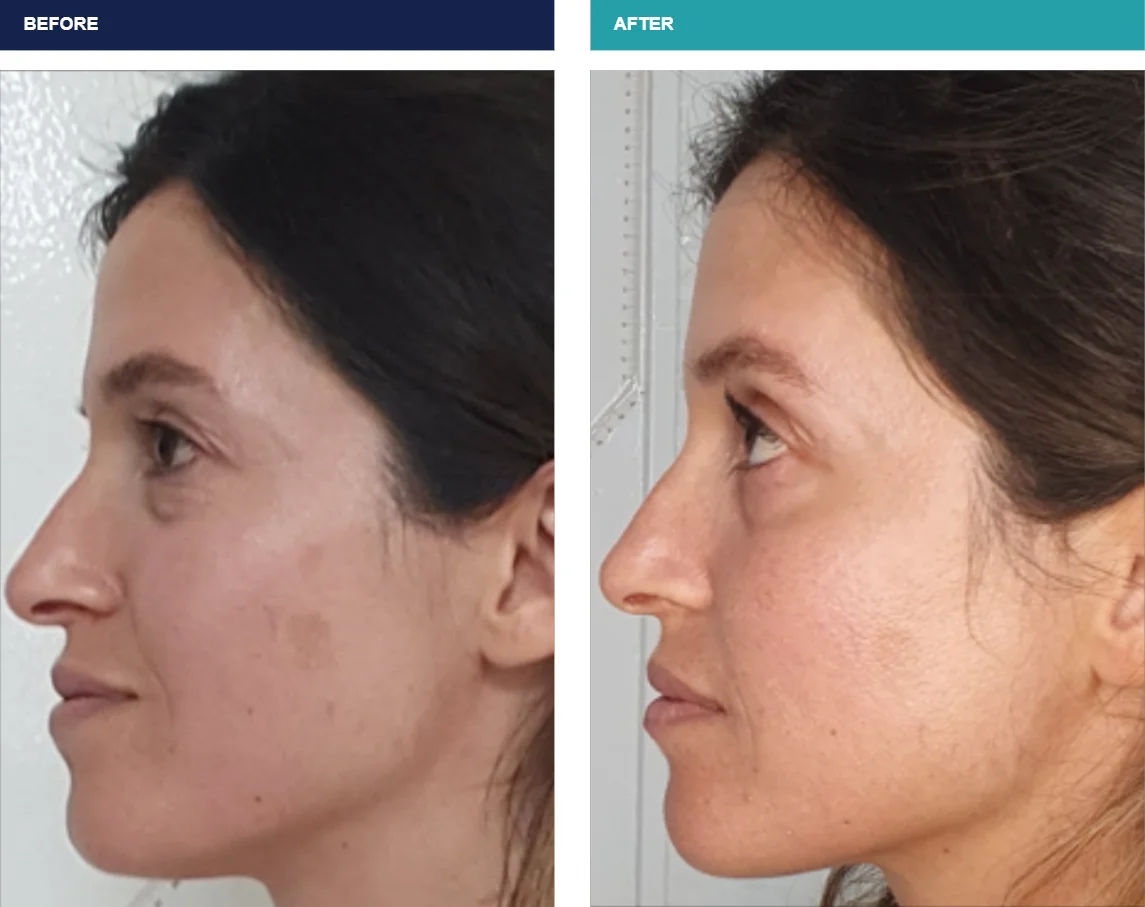
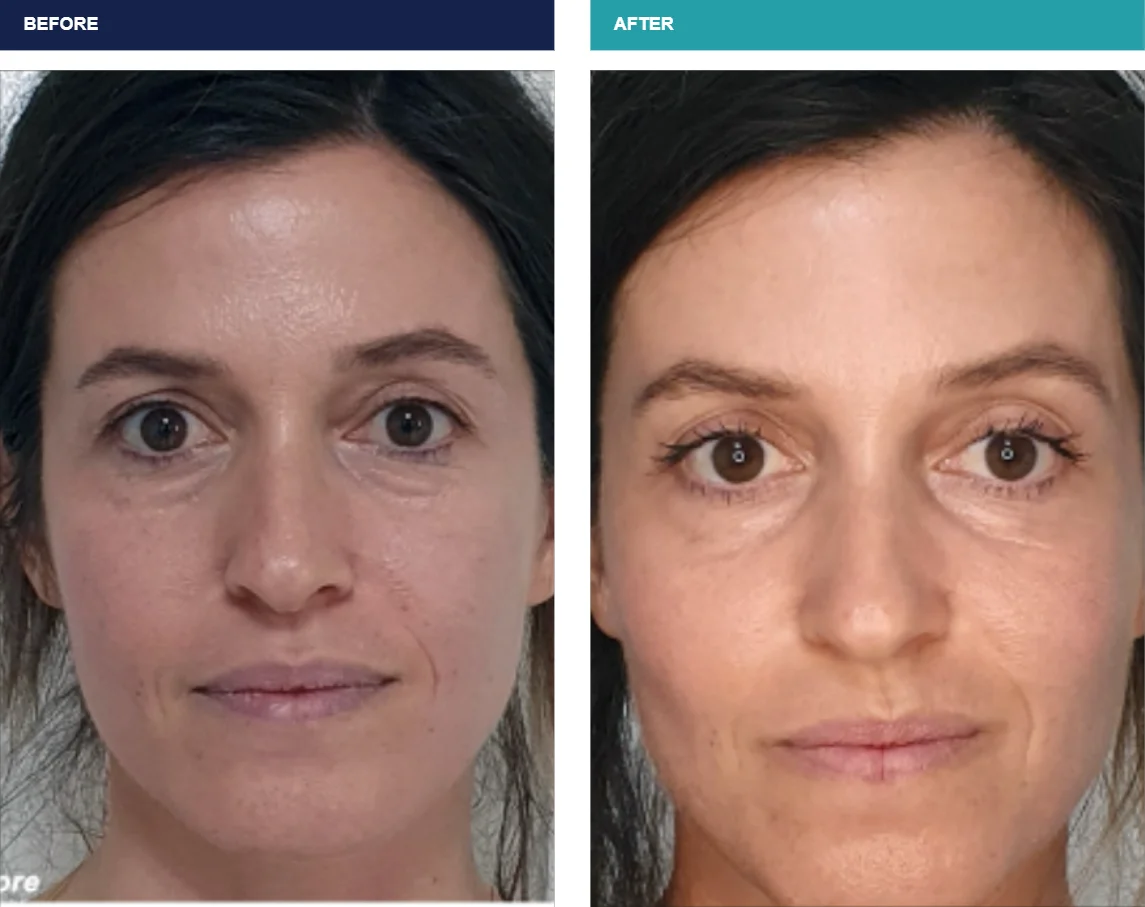
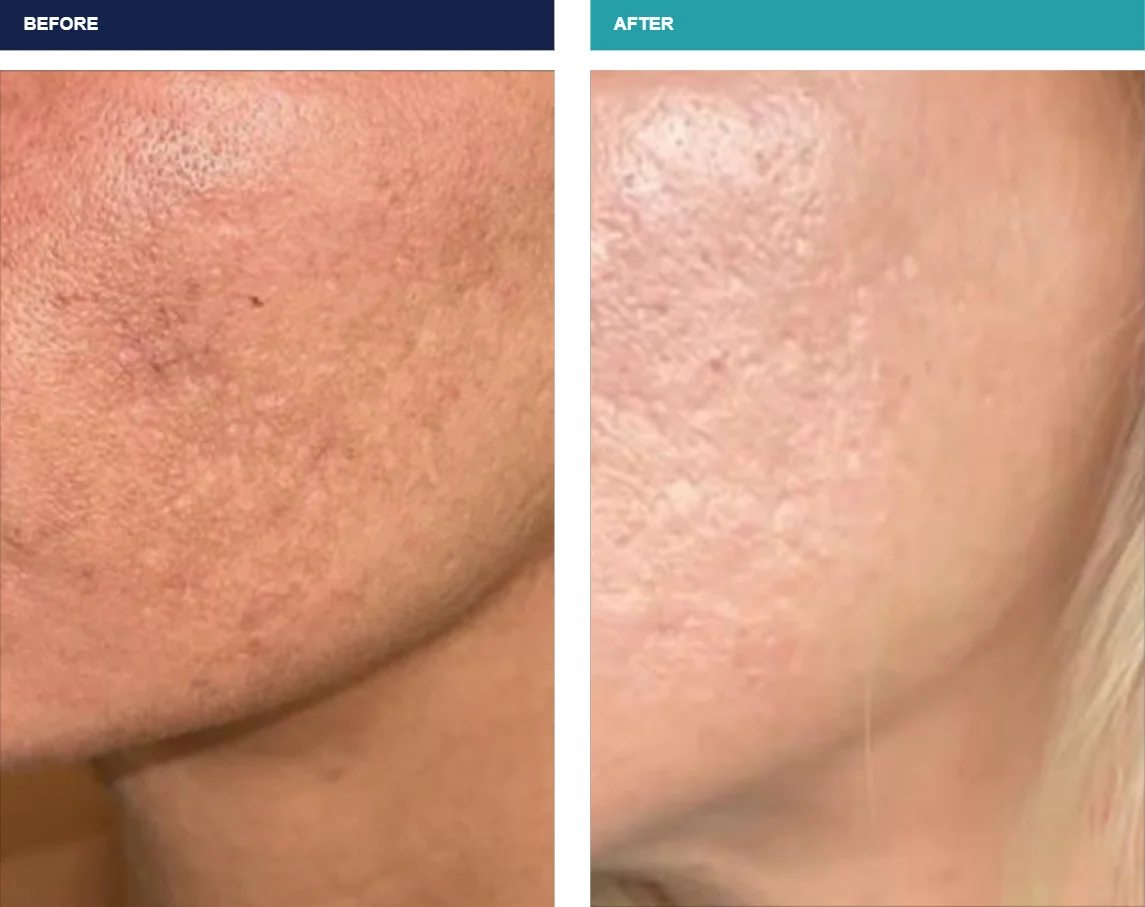
Before & After
Skin
Hair
Left: before · Right / bottom: after.
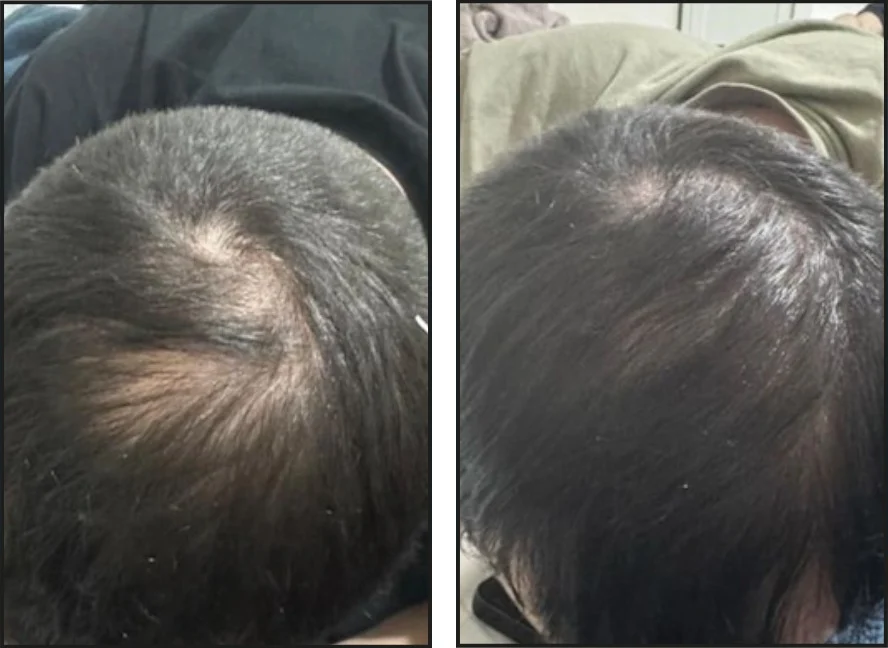
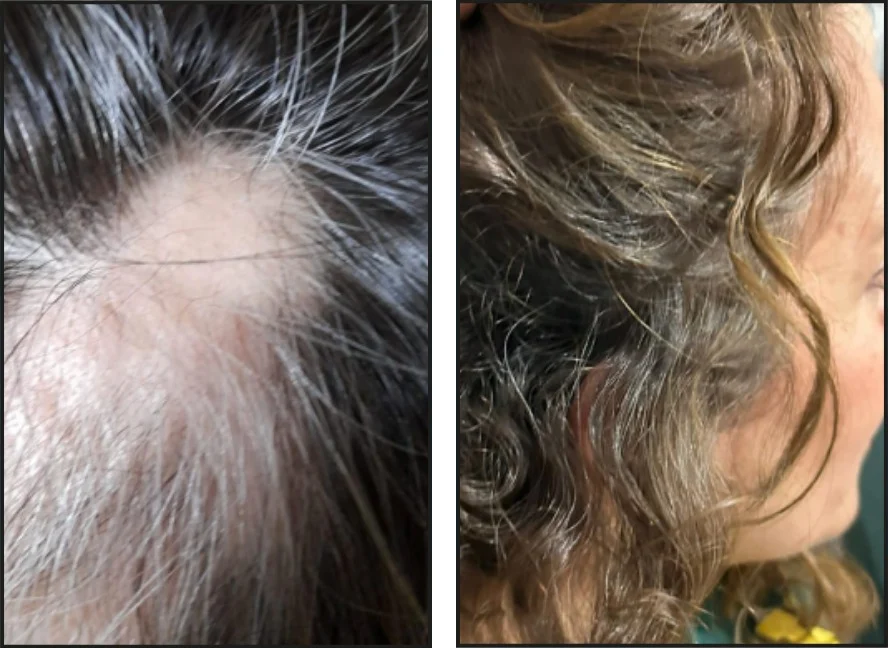
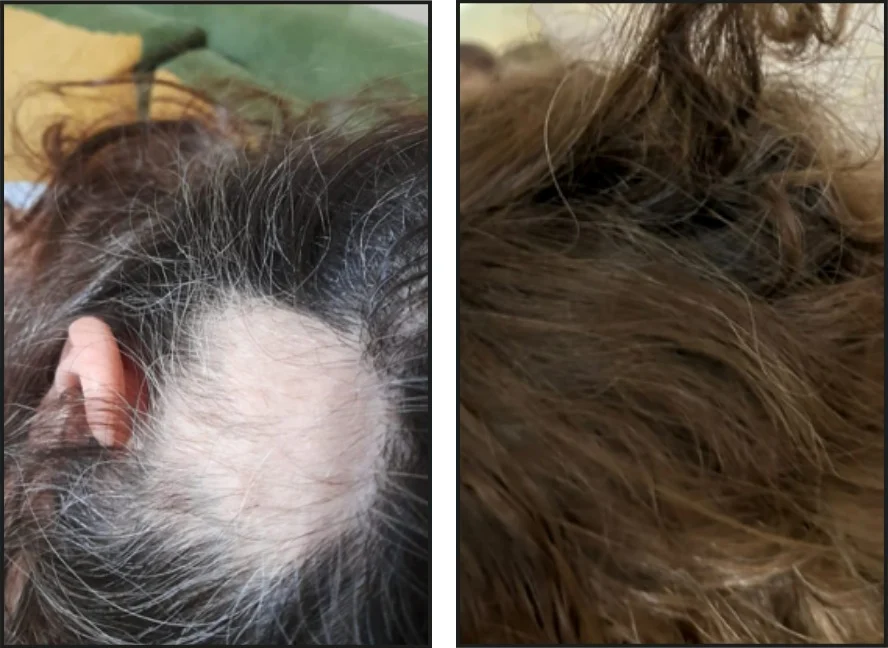
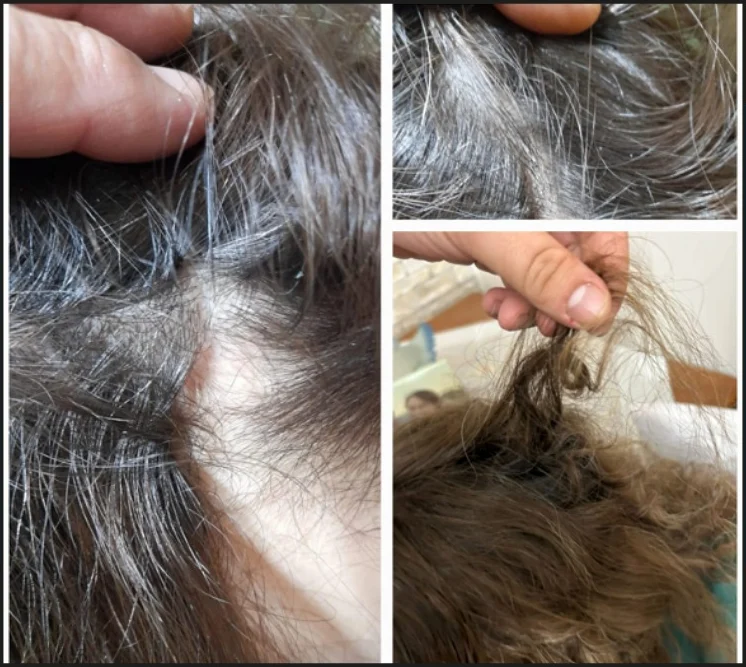
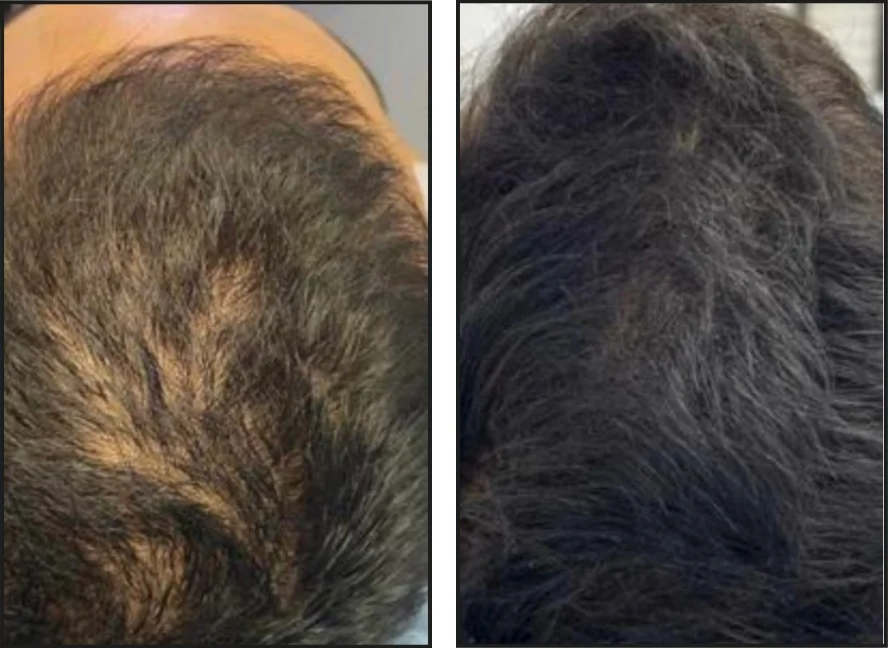
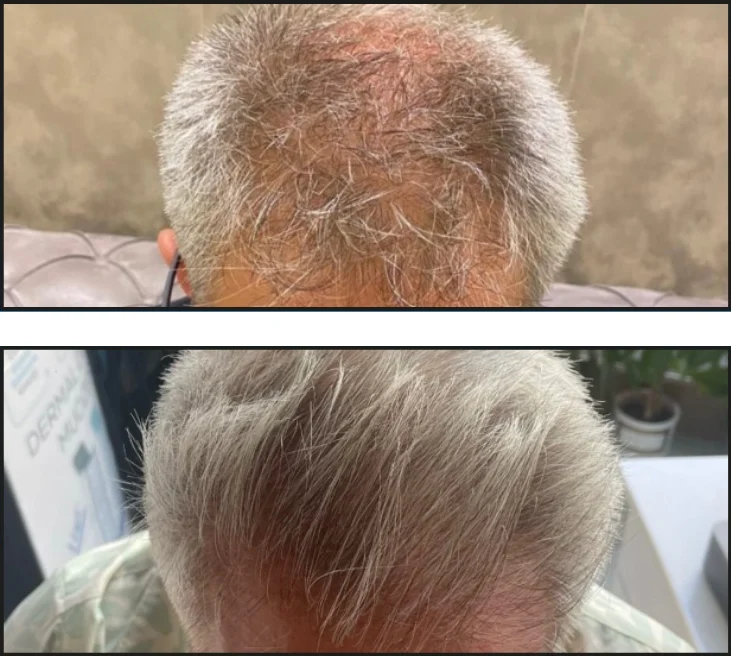
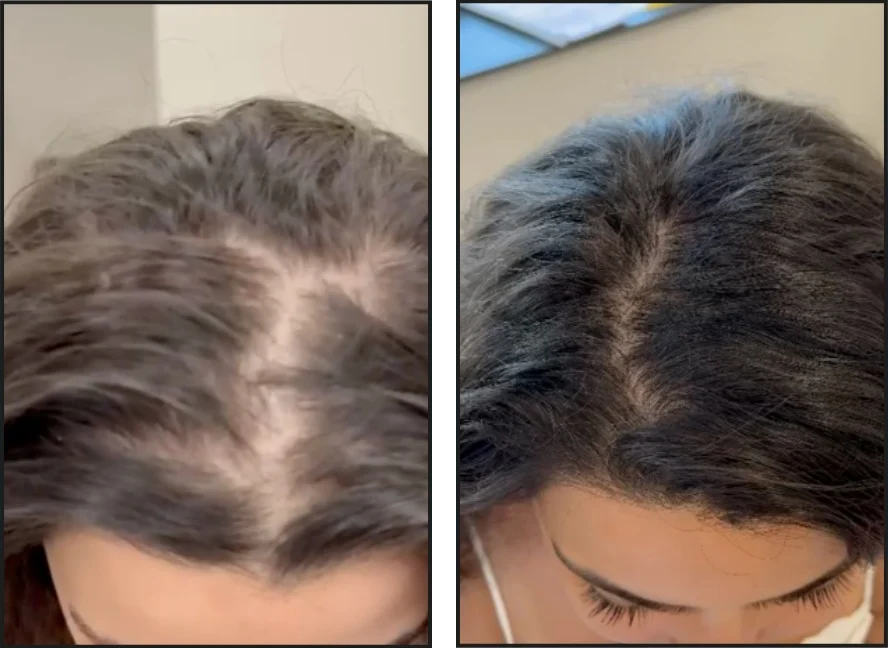
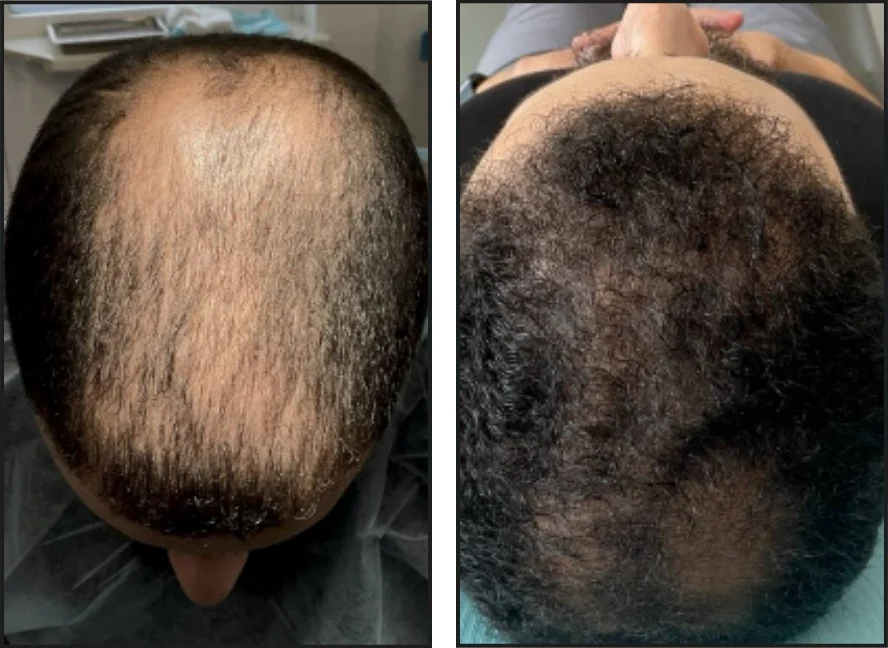
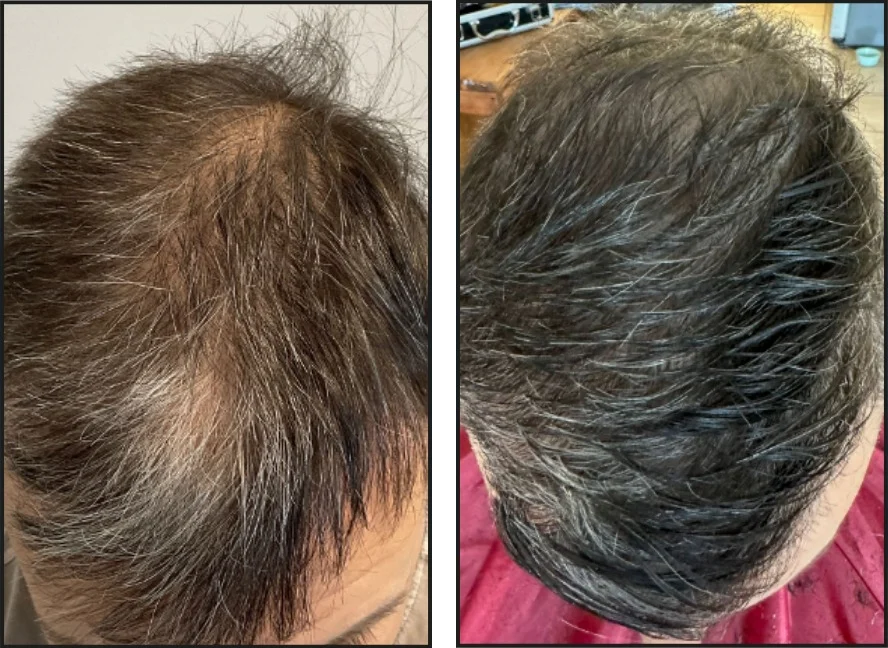
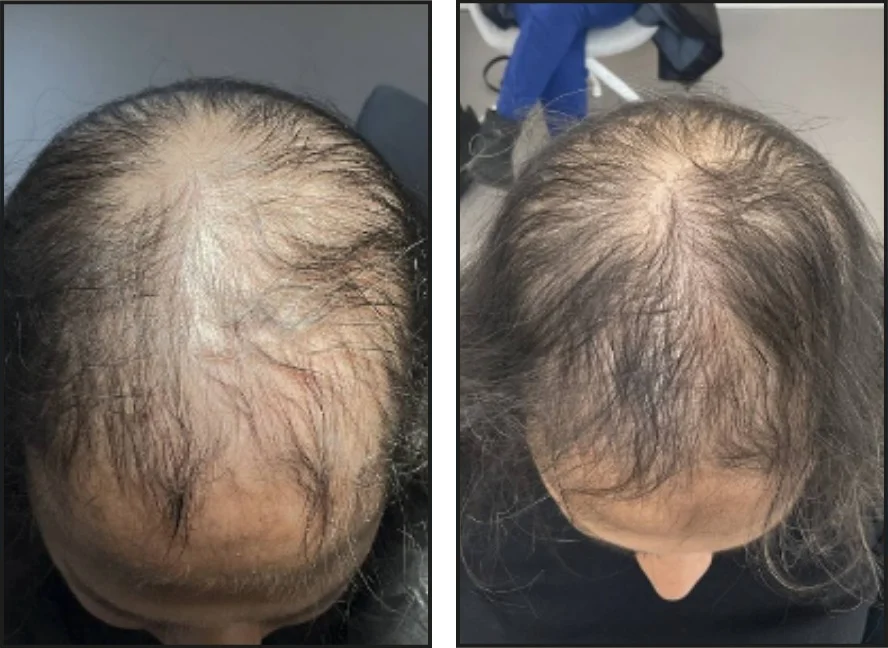
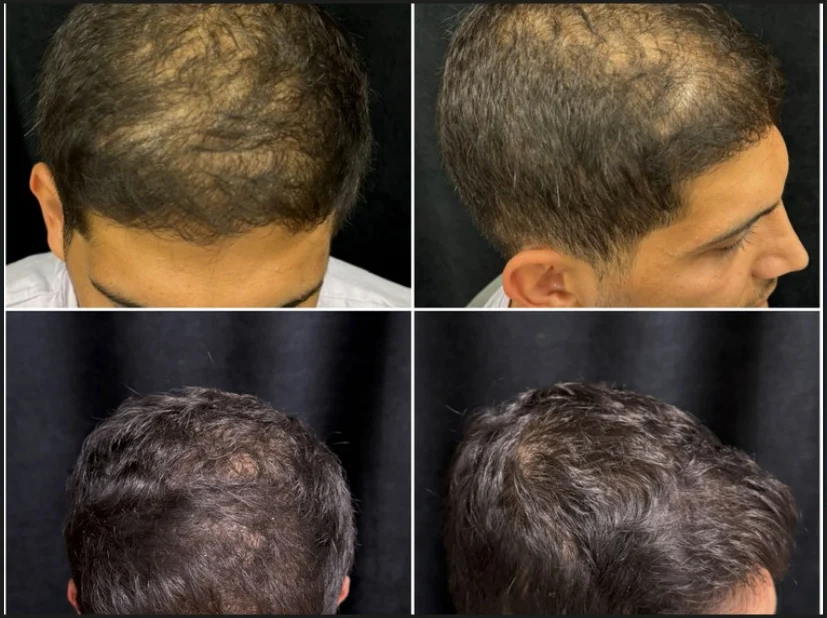
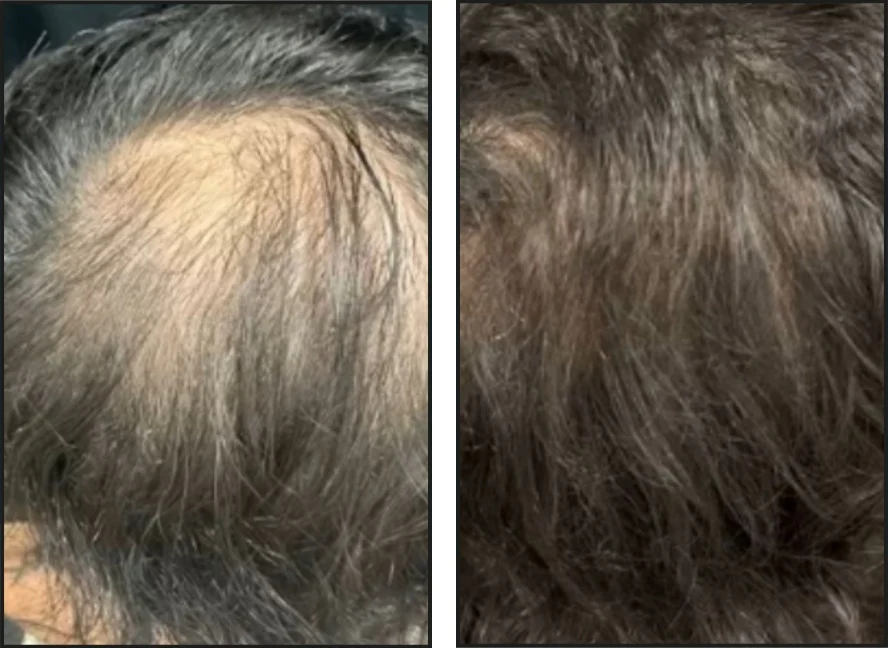
Manufacturer-supplied photographs. Results vary.
Learn more
Further reading
Article
Autologous Exosomes in Hair Restoration
The biology behind the effect.
Article
Exosome-Rich Plasma for Skin Rejuvenation and Scar Remodelling
Mechanisms and the latest clinical data.
Guide
How to Read Exosome Numbers
Why preparation and measurement matter.
Platform
The MyExo Platform
Kit, process, quality characterisation and other specialities.
Bring MyExo to your dermatology & hair clinic.
For healthcare professionals. Product information provided by the manufacturer. Distributed by Bionics Medical in the UAE and Saudi Arabia.