
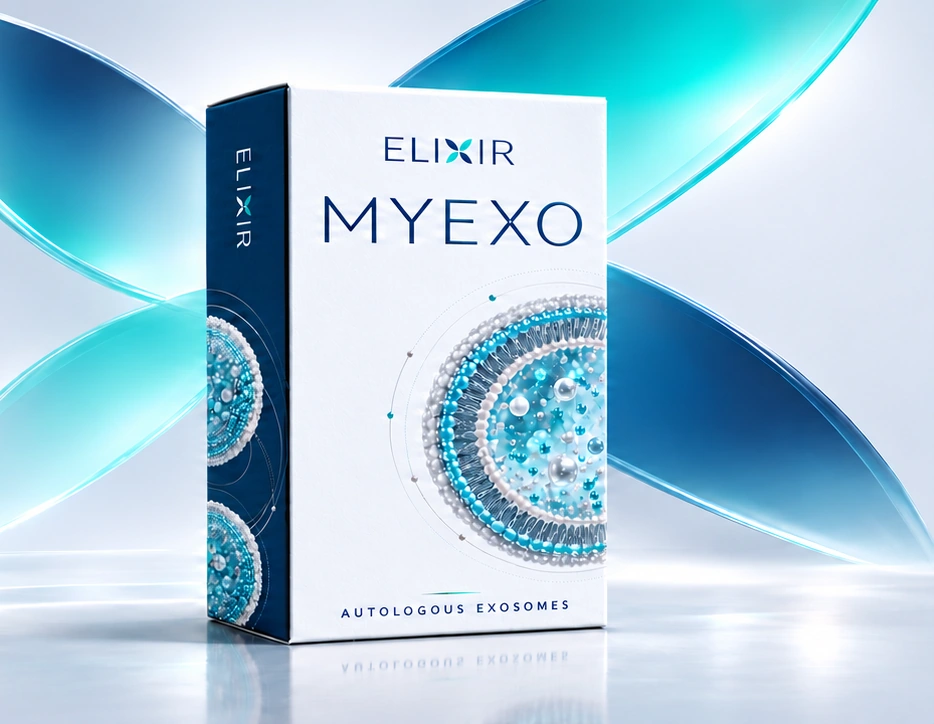

MYEXO
AUTOLOGOUS EXOSOMES
Autologous exosomes to support burn wound healing and scar remodelling.
Autologous exosomes to support burn wound healing and scar remodelling.
Physician controlledExosome-rich plasmaPatient-derived & safeClosed systemCE certified · ISO 13485:2016
12TExosomes in 10 mL
30 minClosed-system preparation
≥89%Recovery
120 nmAverage exosome size (±15)
MyExo for burn care
Autologous exosomes for burn wounds & scars
MyExo is prepared from the patient's own blood at the point of care. Wound healing is one of its clinical fields: in chronic or post-surgical wounds, exosomes stimulate fibroblast proliferation, endothelial sprouting and keratinocyte migration, and their anti-inflammatory action helps restore balance in wounds that are slow to heal. Scar remodelling is among its dermatology uses.
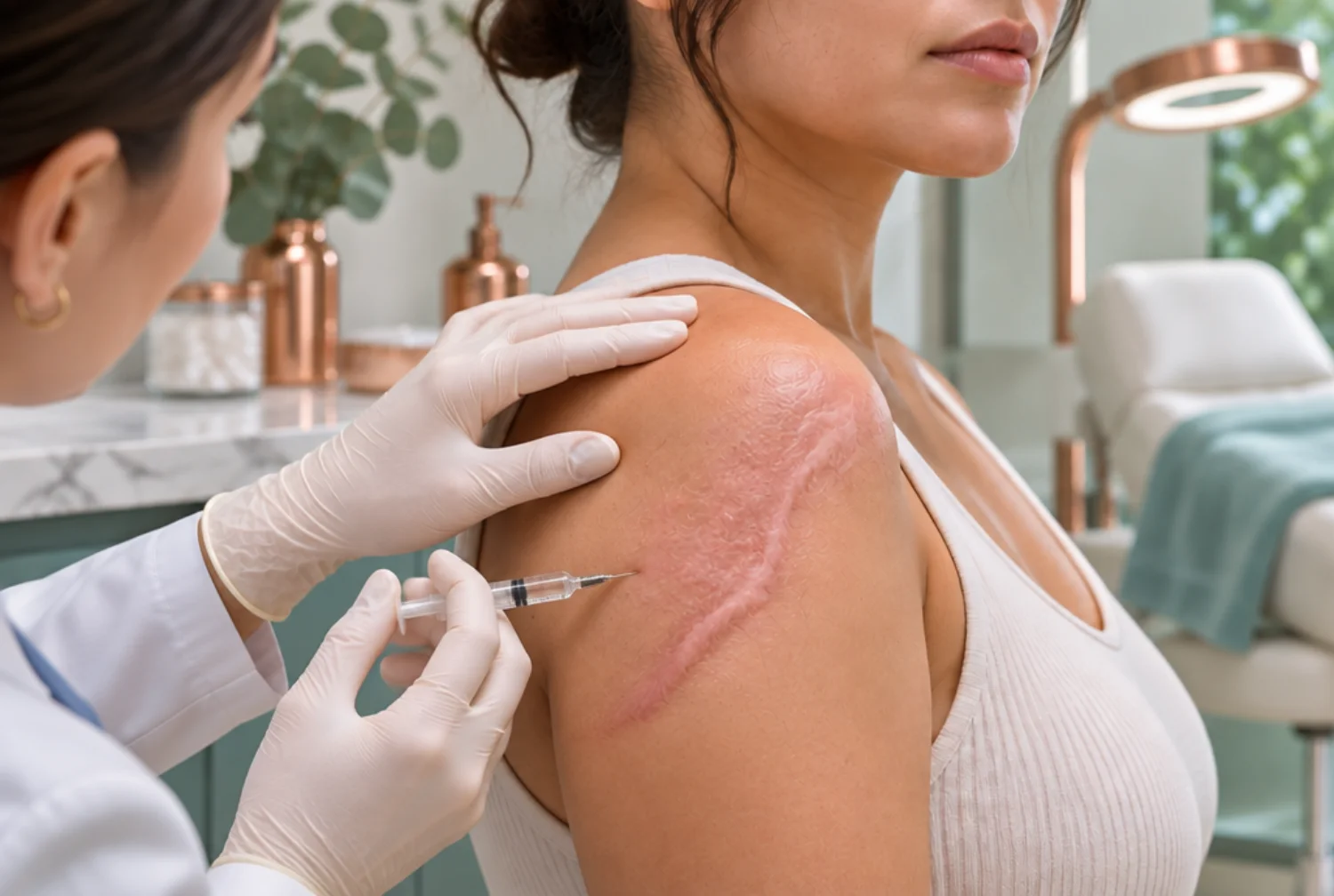
Wound healing
Burn wound care
Supports fibroblast proliferation, new vessel formation and keratinocyte migration to help the wound close.
Scars
Scar remodelling
Supports organised, vascularised tissue rather than fibrotic scar, and reactivates dermal fibroblasts for collagen and elastin synthesis.
MyExo
Exosome mechanisms in wound healing
01
Cellular Communication
Regulatory RNAs and proteins support cell survival, proliferation and differentiation, and promote neovascularisation in endothelial cells.
02
Growth-Factor Cooperation
PDGF, VEGF, TGF-β and IGF-1 attract cells to the injury site, stimulate matrix deposition and improve vascular supply.
03
Inflammation Resolution
Macrophage polarisation shifts away from IL-1β and TNF-α toward IL-10 and TGF-β.
04
Structural Remodelling
A temporary fibrin–exosome scaffold supports organised, vascularised tissue rather than fibrotic scar.
Research on platelet-derived exosomes in wounds is pre-clinical (cells and animals); there is not yet published burn-specific clinical data for MyExo. Treatment decisions remain with the treating physician.
Bring MyExo to your burn unit.
For healthcare professionals. Product information provided by the manufacturer. Distributed by Bionics Medical in the UAE and Saudi Arabia.